Replacement car after an accident: what is usually supplied
Published · Last updated
Pick the car you drive below and you will see the models that usually sit in its replacement class — the fleet-specification version, not the marketing version. These are examples of what a band contains, not a statement of what any fleet holds today. The matching principle is simple: your car is assigned to a class (how classes work), and your replacement comes from within that class.
How to use this series: each class page states what the class covers, the models that sit in it (with links to our reviews of them), what you will not be given, and the usual eligibility position.
Pick the car you drive
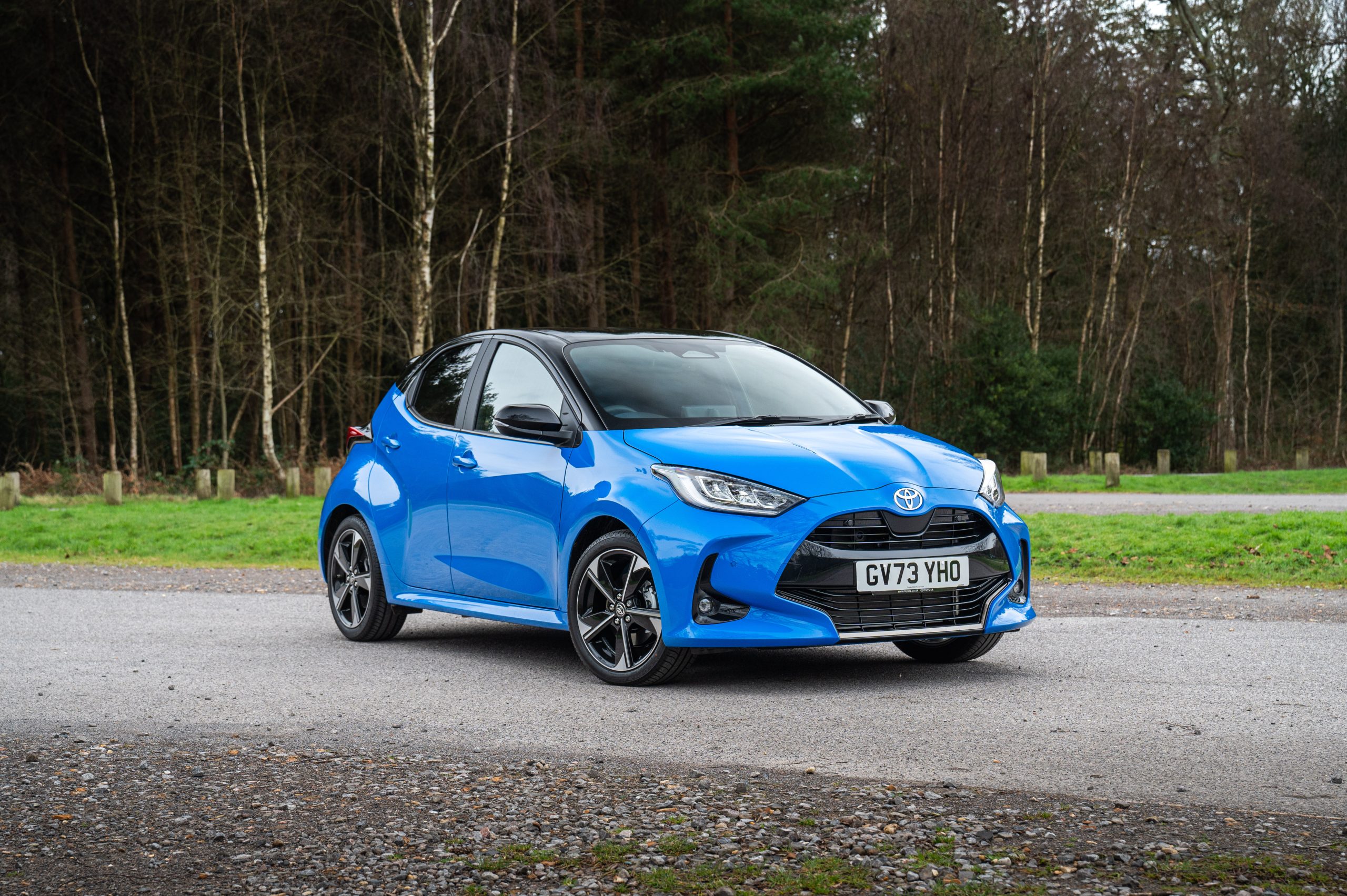 Small hatchback
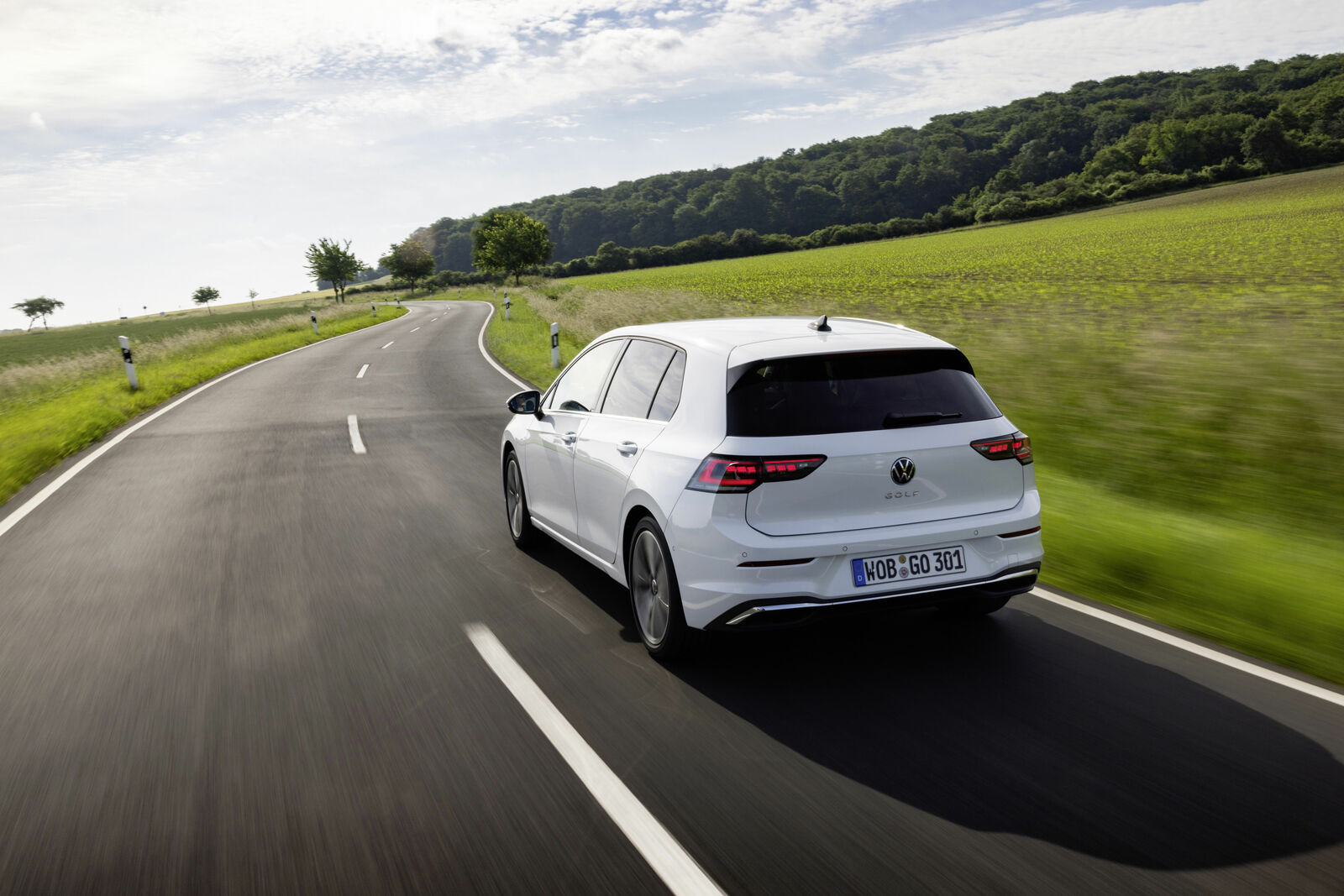 Medium hatchback
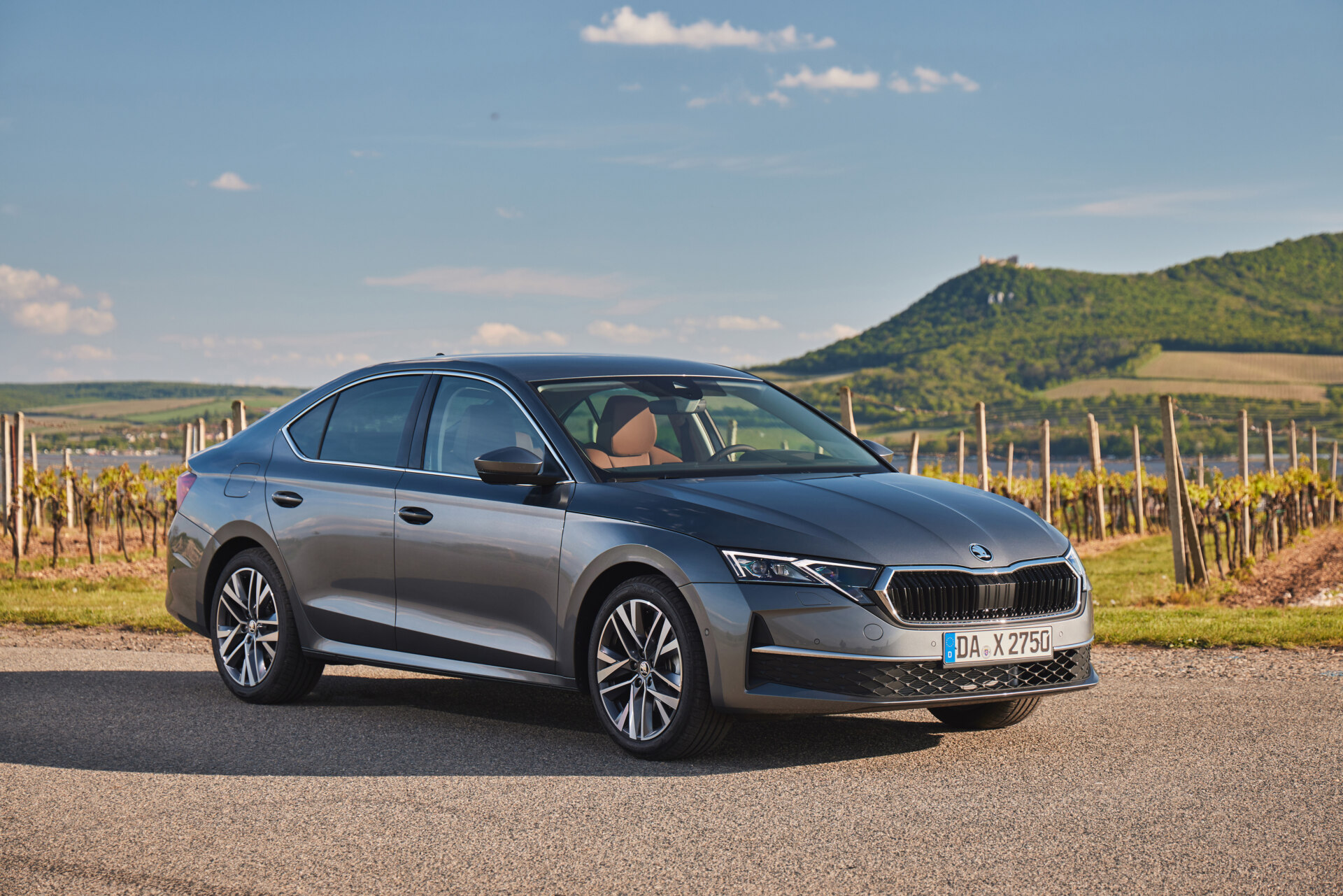 Family saloon & estate
 Compact SUV
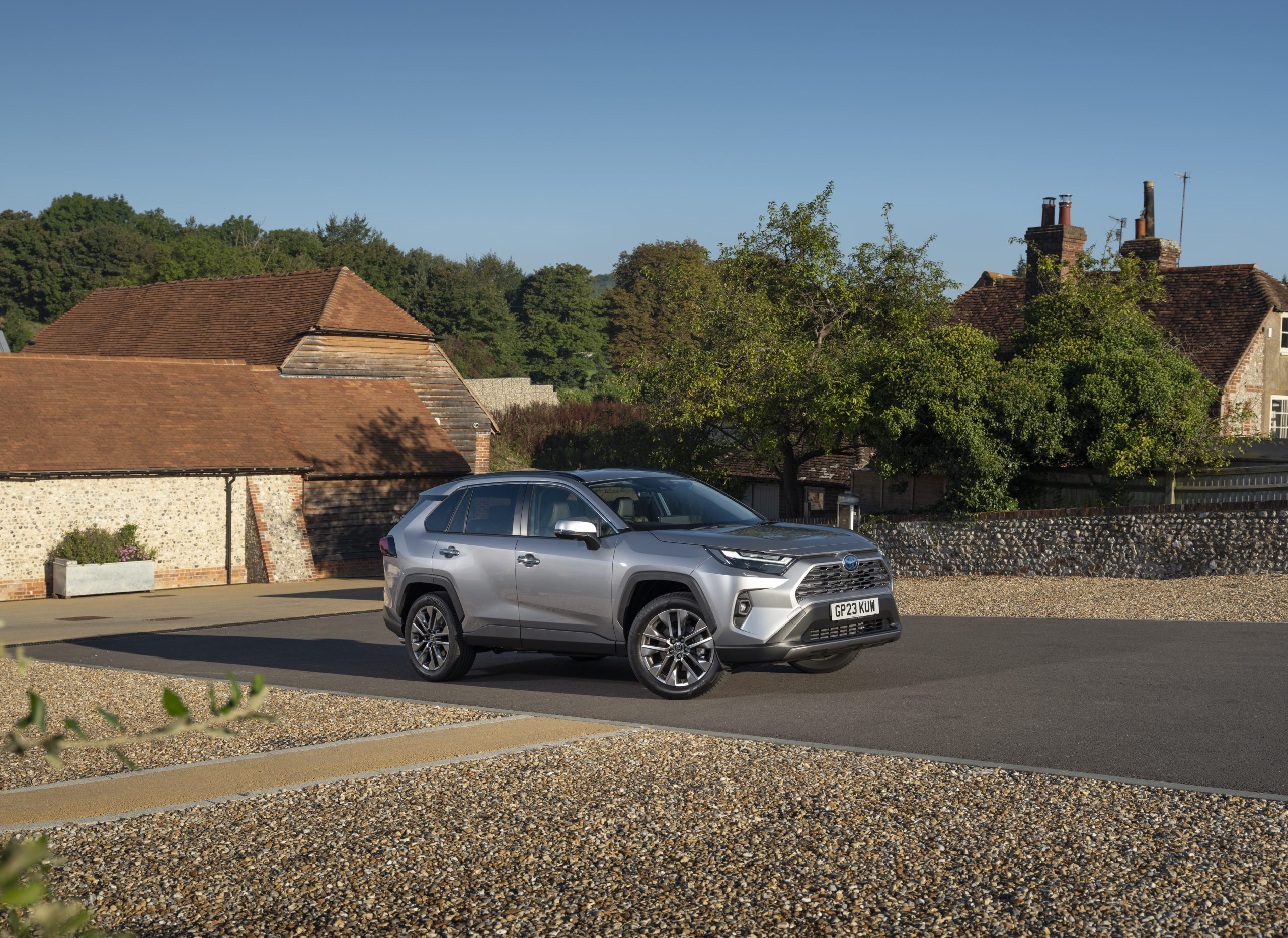 Large SUV & 4x4MPV & 7-seater
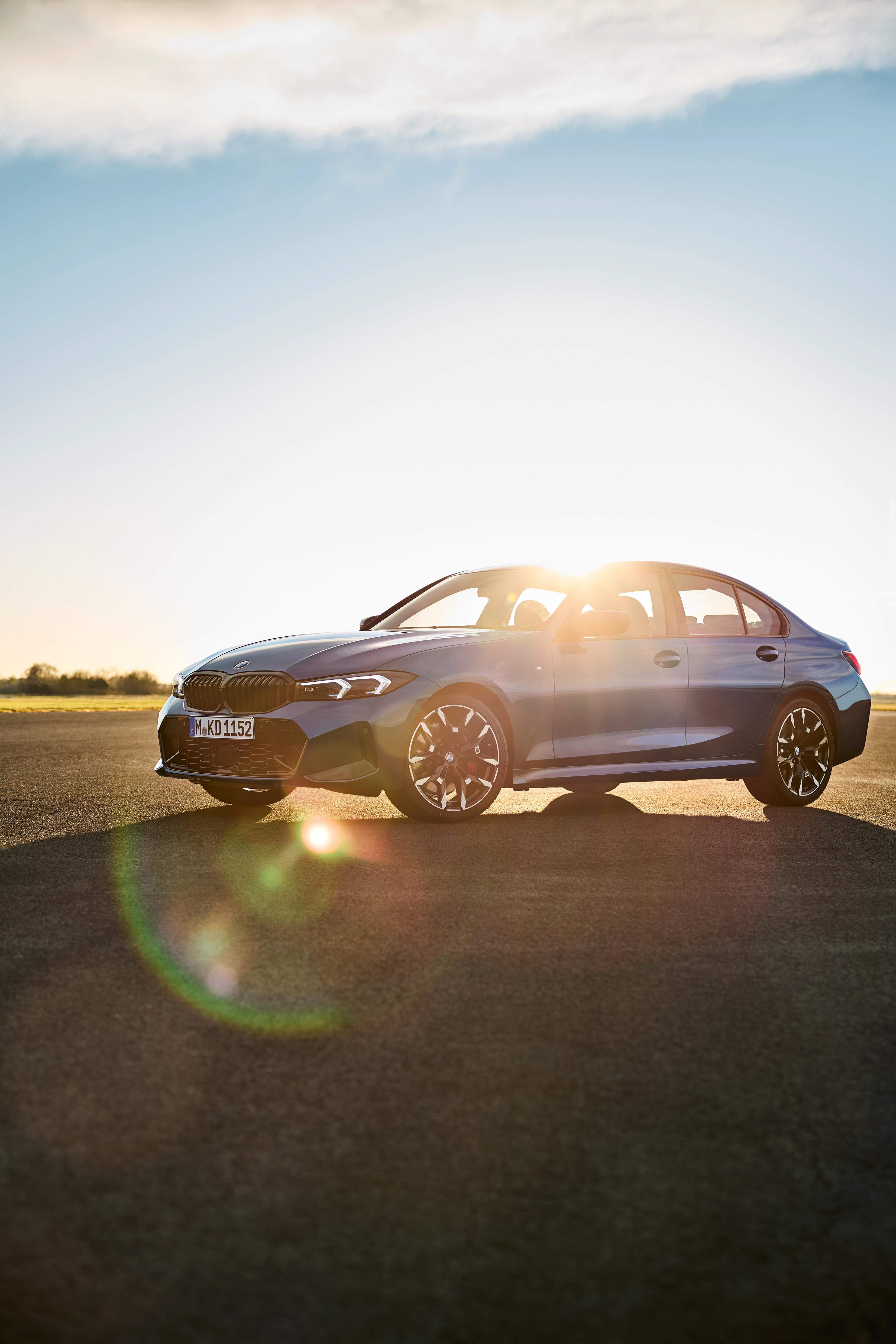 Executive
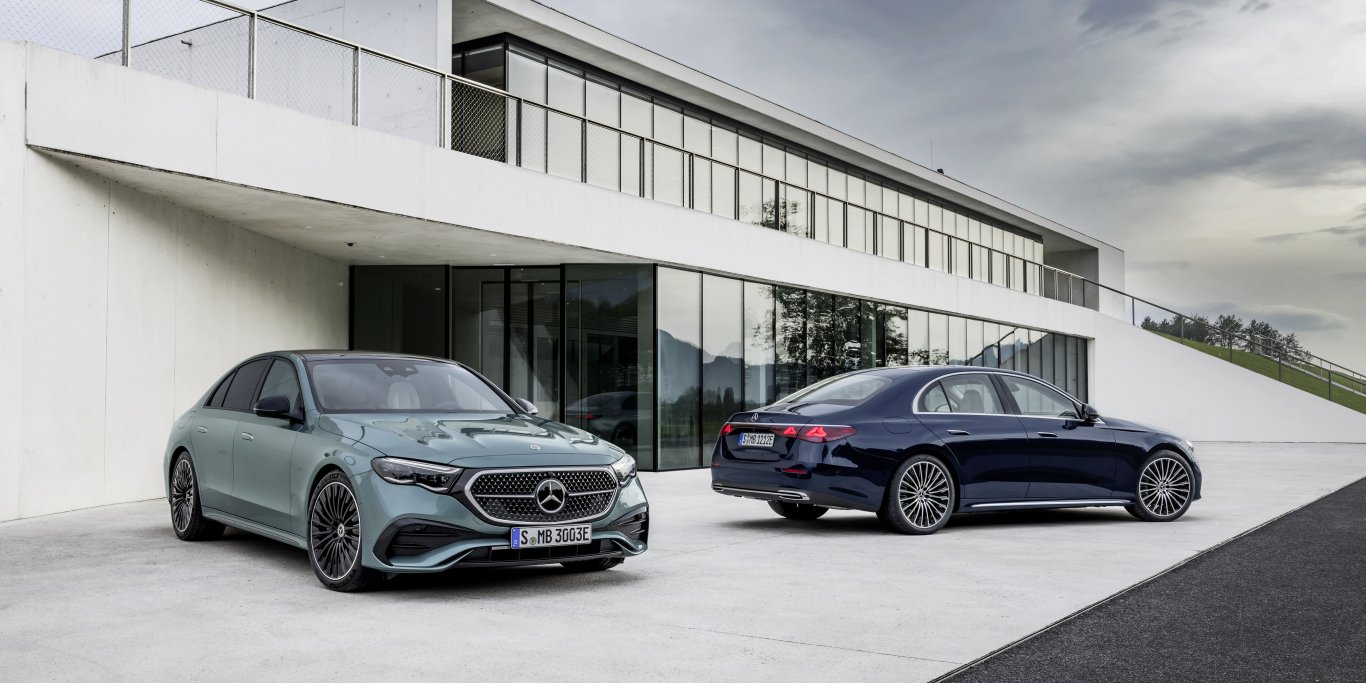 Prestige & luxurySports & convertibleVan & LCV
 Taxi & private hireElectric vehicles
| You drive | Your class page |
|---|---|
| Corsa, Polo, Fiesta, i20, Clio, 208 | Small hatchback |
| Golf, Focus, Astra, 308, Ceed, Leon | Medium hatchback |
| Octavia, Passat, Superb, Insignia, Mazda 6 | Family saloon & estate |
| Qashqai, Sportage, Tucson, 3008, T-Roc, Kuga | Compact SUV |
| Sorento, Santa Fe, Discovery Sport, X3, XC60 | Large SUV & 4x4 |
| Galaxy, Sharan, 5008, Kodiaq 7-seat, Zafira | MPV & 7-seater |
| 3 Series, A4, C-Class, XE, Model 3 (exec intent) | Executive |
| 5 Series, E-Class, A6, XF, Range Rover | Prestige & luxury |
| MX-5, TT, Z4, Cayman, any convertible | Sports & convertible |
| Transit, Transit Custom, Vivaro, Sprinter, Caddy | Van & LCV |
| Plated hackney or private hire vehicle | Taxi & private hire |
| Any EV — Model 3, MG4, e-208, Kona Electric, ID.3 | Electric vehicles |
Before you pick a class
Two things sit in front of the class question. The first is whether you need a replacement at all: the Financial Ombudsman Service has said a credit hire referral may not have been appropriate where a suitable spare car was available, courtesy car cover was already sufficient, the damaged car was still roadworthy and drivable, or a policy already gave benefits at least as good. Settle that on do I need a replacement vehicle?.
The second is that class is a starting point rather than an answer. What makes a vehicle suitable is what you need it to do — seats, load, access and adaptations, licensed work, charging, towing — which is set out on what counts as a suitable replacement. And what a fleet actually holds on the day is a separate question again: see availability.
Related: how supply works · the review library