Credit hire vehicle classes explained
Published · Last updated
UK credit hire matches your damaged car to a replacement using a class (or group) system: your car is assigned to a band of equivalent vehicles, and the replacement comes from that band. The most widely referenced convention is the group structure of the industry's General Terms of Agreement (GTA) rate tables, which band cars as Standard groups S1–S7, MPV groups M–M6, 4x4 groups F1–F9, Prestige groups P1–P13 and Sports groups SP1–SP13, with commercial vehicles on a separate schedule (source: GTA Technical rate tables, gtacredithire.com).
- Matching is by equivalence — engine size, body type, market position — not by exact model.
- The GTA group letters are the industry's shorthand for those bands: Corsa/Polo/Fiesta-size cars in group S2, Astra/Focus-size in S3, BMW 3 Series-band cars in the P4–P6 prestige groups (GTA Technical rate tables).
- The legacy tables predate the crossover boom, so modern compact SUVs (Qashqai, Sportage class) are matched by equivalence to the nearest group in practice.
- Consumer-facing class names — the ones this site uses — map onto those groups: small hatchback, medium hatchback, family saloon/estate, compact SUV, large SUV/4x4, MPV/7-seater, executive, prestige/luxury, sports/convertible, van/LCV, taxi/private hire, electric.
What are credit hire vehicle classes?
They are the bands used to define "like-for-like": every car on the road can be placed in a group of broadly equivalent vehicles, and a replacement from the same group is treated as a fair match. The GTA tables — agreed between subscribing insurers and credit hire companies — are the industry's articulation of that system, banding vehicles from a group S1 city car up to the top of the prestige and sports ranges. The GTA's public site confirms that it sets maximum daily rates by vehicle type, but the group tables themselves are held in its members' area and were not publicly retrievable when checked on 02/09/2026, so the group letters quoted on this site should be read as the convention as it is used in the industry rather than as figures you can verify at source (sources and checking dates).
How is my car matched to a class?
By its size, body style, engine and market position: a 1.2 Corsa sits in the small-hatch band, a 2.0 BMW 320 in the executive prestige band, a Transit Custom in the light commercial schedule. The practical question — which real models arrive for each band — is the subject of our what you will get series.
What if my exact model is not available?
The nearest equivalent within the class is the normal answer, and it is normal practice rather than a shortfall — the Financial Ombudsman Service's own description is “normally a like-for-like replacement or similar”. What is supplied is an equivalent vehicle, not a duplicate, and what a fleet holds on the day is a separate question again (availability). Each class page lists the substitutions the class allows, and the honest limits — see, for example, sports and convertibles, the hardest class to match.
Class is a starting point, not the answer
A band is defined by size, body type and market position — not by the specific thing you need the vehicle for. Two vehicles in the same band can be a fair match for one driver and no use to another, which is why seats, load, access and adaptations, licensed work, charging and towing sit on top of the class system rather than underneath it: see what counts as a suitable replacement. And before any of it, there is the question of whether a replacement is needed at all: do I need a replacement vehicle?.
Which class is my car in?
Pick your car from the twelve consumer classes below; each page states what the class covers, the models that sit in it, and what you will not be given.
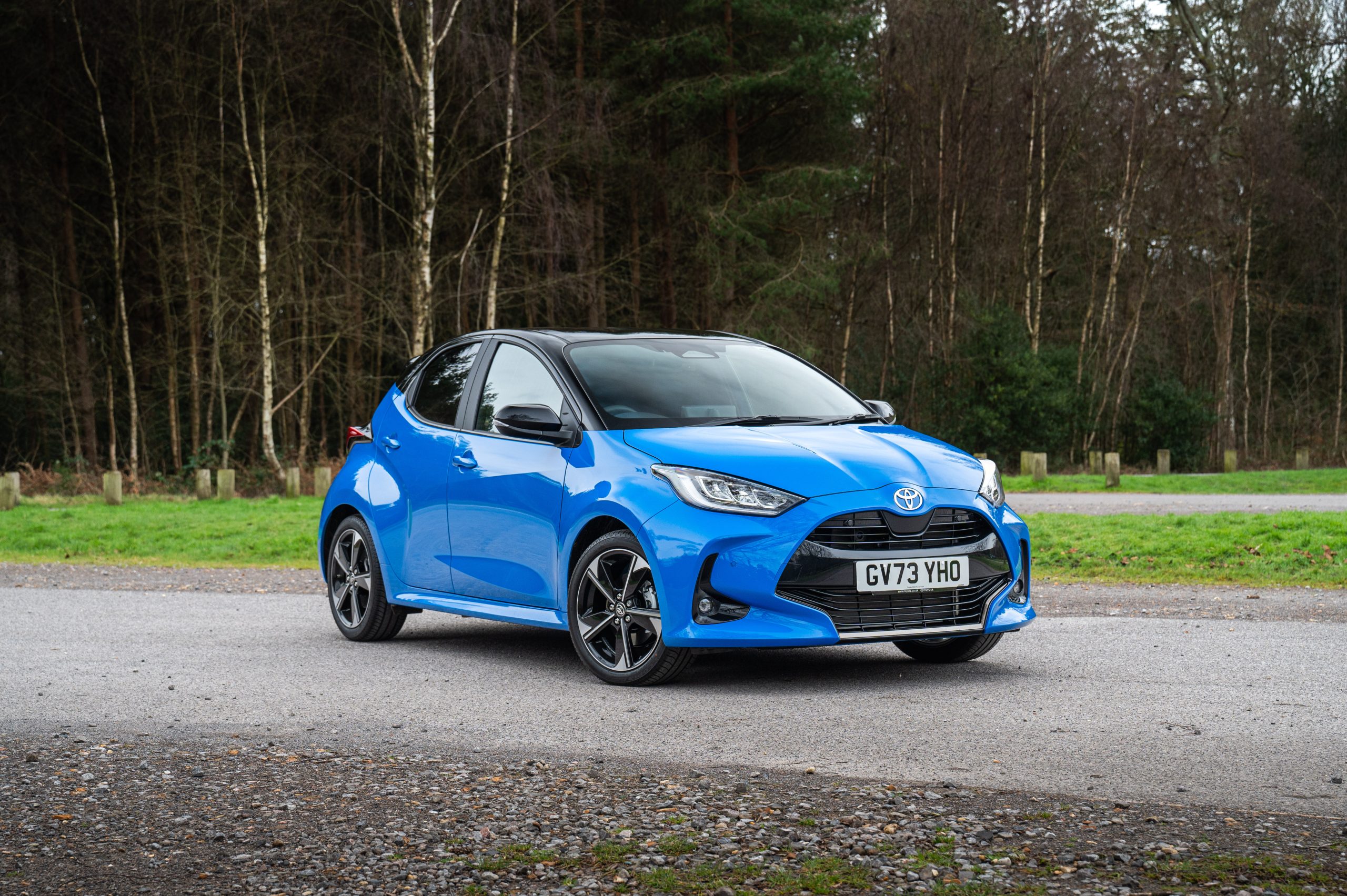 Small hatchback
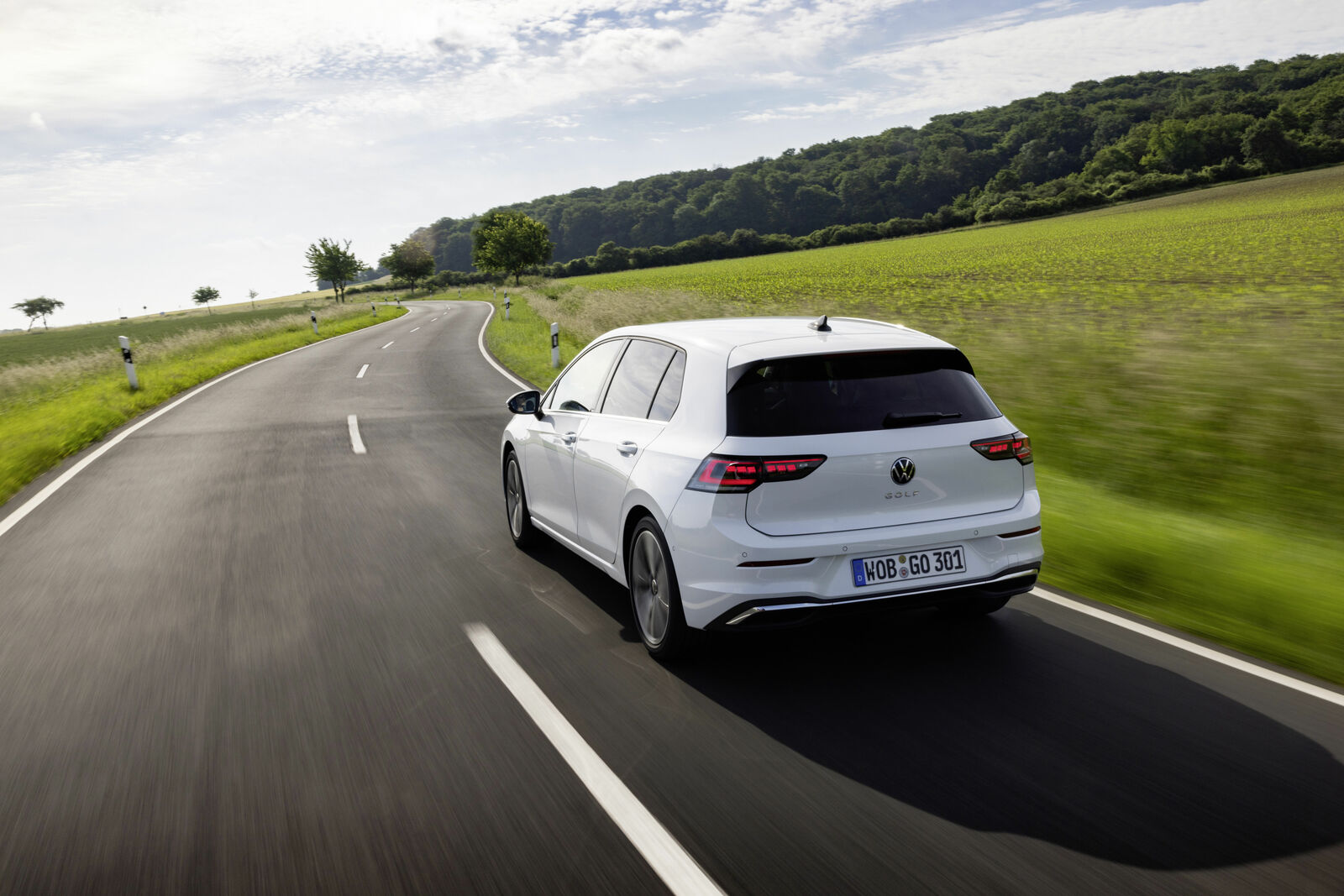 Medium hatchback
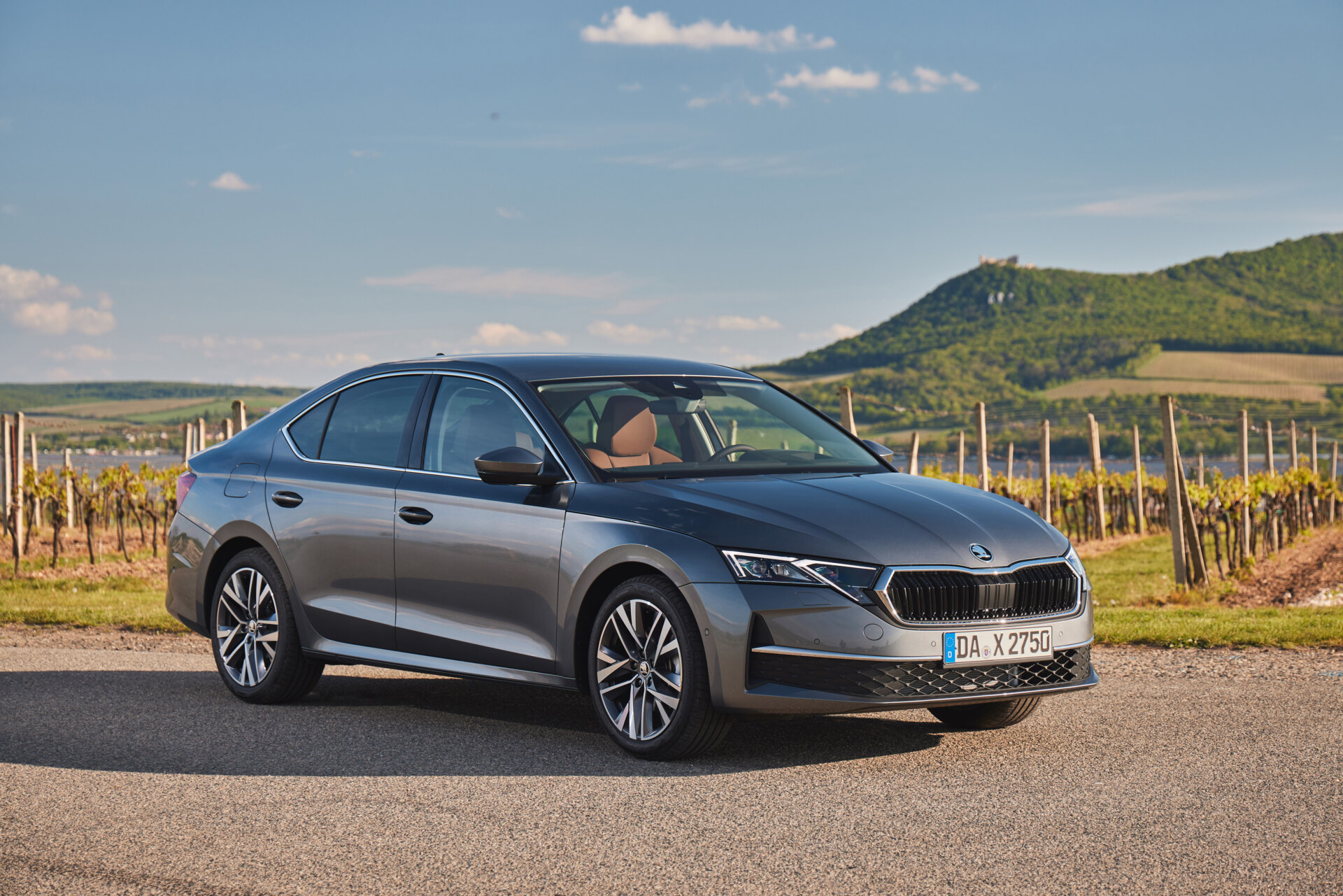 Family saloon & estate
 Compact SUV
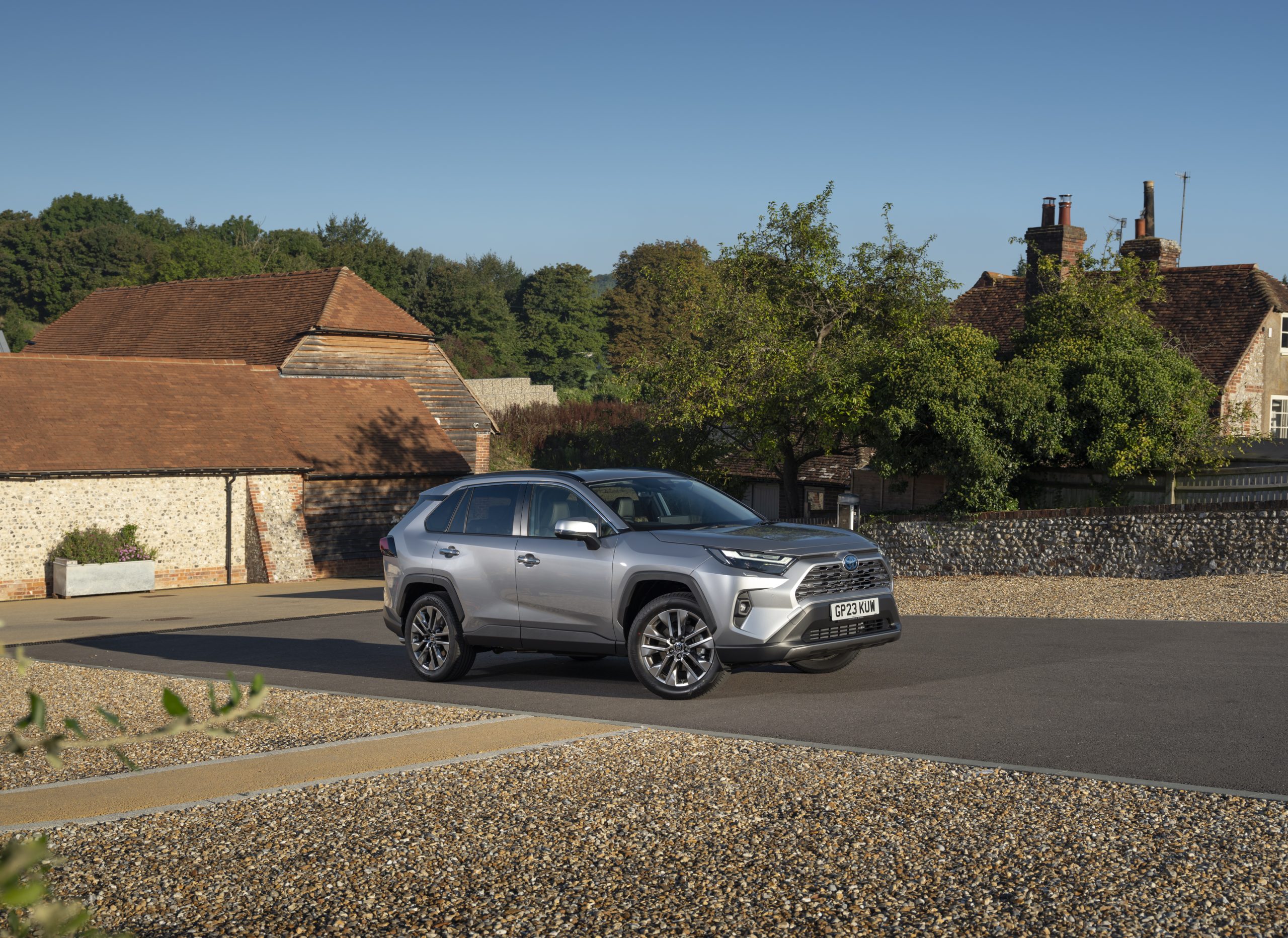 Large SUV & 4x4MPV & 7-seater
 Executive
 Prestige & luxurySports & convertibleVan & LCV
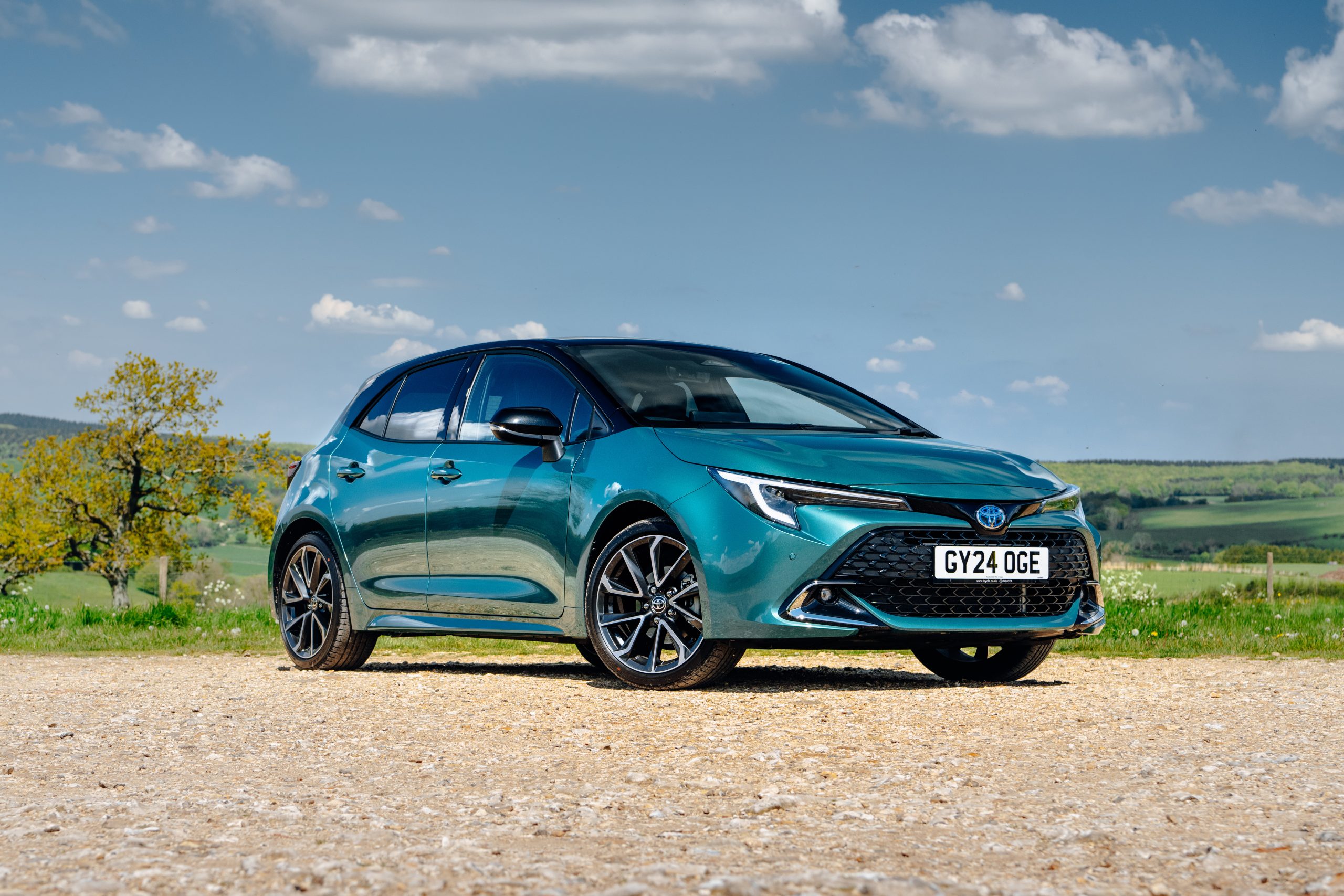 Taxi & private hireElectric vehicles
Related reading: What is a credit hire vehicle? · How supply works. The rate implications of vehicle groups — what each group costs and who pays — are a claim question and sit outside this site's vehicle-only scope.